
Building Peace and Trust Begins with Collective Healing
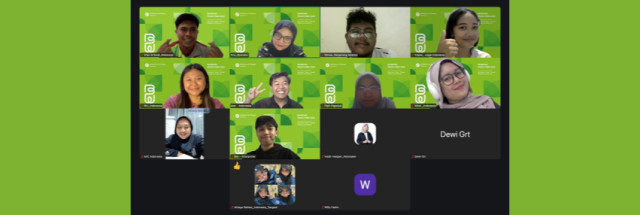
In every story shared, whether from the personal experiences of Irfan Arfandi in Makassar or Obaja Gobai from Papua. I found a common thread that unites them: a journey from historical wounds toward a future of hope. This discussion session was not merely a meeting, but a space for reflection on three fundamental pillars: Trust, Peace, and Healing. These are not abstract ideals, but living conditions that must be continuously nurtured and fought for within Indonesian society. The session, held by Trustbuilding Indonesia during Bandung Peace Week 2025, carried a serious yet intimate atmosphere, inviting participants to look deeper into what it truly means to restore trus and peace.
Long before I could speak about peace, I had to confront the bitter reality of a crisis of trust in society. As one speaker expressed, this crisis represents a profound collective wound, particularly toward state institutions such as the government, police, and military. In Makassar, for instance, this crisis manifests through injustice and violence that have sparked public protests. Yet amid despair, the speakers reminded me that there is a way back, a way through dialogue. Trust cannot grow in a vacuum; it must be rebuilt through open communication, honesty, and the willingness to listen.
Peace cannot stand firm on fragile ground. As a voice from Papua resonated: "A just and peaceful Indonesia will never exist if Papua continues to bleed in silence." This statement serves as a reminder that true peace is not the absense of conflict, but the presence of justice. It takes collective courage to acknowledge the ligering wounds of history, and a genuine will to address their roots. Peace demands empathy, the ability to see the suffering of others, and the bravery to speak up for those who cannot.
"Healing collective wounds is not about erasing scars, but about transforming them into reminders of why we must continue to fight for justice and humanity," said Athaya, a member of Trustbuilding Jakarta.
The most powerful moment of the Trust, Peace, and Healing session came from stories of healing. From a young man who once felt trapped in his own "shell" until his perspective opened, I learned that healing often begins with something deeply personal. The emotional reactions;tears, heartfelt silence, and even the simple "love" reaction, revealed how powerful honesty and vulnerability can be. This discussion space became a catalyst, allowing individuals to feel safe, to share, and to begin their own healing journeys. The process then spread, encouraging participants to become agents of change, like Athaya, who seeks to "raise awareness through media," and Obaja, who focuses on "strengthening education and community." Through collective healing, peace and trust can once again take root in their fullest form.
"Healing cannot happen in isolation; we need solidarity and the courage to truly listen to one another," explained Teresa Avilla Cayestu, affectionately known as Cayes.
Trust, peace, and healing are deeply interconnected. A crisis of trust obstructs peace, and without peace, true healing cannot occur. Yet, as the speakers reminded us, there is still hope, hope that lies in our courage to engage in dialogue, our willingness to confront historical wrongs, and our commitment to create safe spaces where everyone can share and heal together.
Let this reflection serve as an inspiration to keep moving forward, ensuring that no wound is left to bleed in silence.
—
Author: Indah Hapsari (Alumni Creator of Peace & Volunteer Bandung Peace Week 2025)
Editor: Anisa Eka Putri Kusmayani
Translator: Siti Zaetun